The Slow Process of Making Herbal Teas at Home
# The Slow Process of Making Herbal Teas at Home The morning light in our kitchen has a way of finding the dust motes and...
The Slow Process of Making Herbal Teas at Home
The morning light in our kitchen has a way of finding the dust motes and turning them into floating gold, a familiar trick of physics I used to chase with my Leica when I spent my days framing portraits of growing families. Now, my lens is more often directed at the steam rising from a heavy ceramic mug, the vapor carrying the scent of dried bergamot and bruised mint. At 6:00 AM, before the children stir and the farmhouse begins its daily cacophony, I stand by the window and wait for the kettle to reach that specific, rolling hum. This is the quietest part of the “slow” in slow living—the realization that a truly restorative cup of tea doesn’t begin with a tea bag from a box, but with a seed pressed into the damp earth six months prior. It is a process that refuses to be hurried, a lesson in patience that I am still learning to embrace after years of living at the speed of a shutter click.
Cultivating the Palette
When I first started our kitchen garden, I approached it with a photographer’s eye for composition, dreaming of rows of symmetry and color. However, I soon learned that a tea garden requires a different kind of vision—one that prioritizes fragrance and medicinal rhythm over mere aesthetics. I began with the stalwarts: Mentha piperita (Peppermint) and Melissa officinalis (Lemon Balm). These are the extroverts of the herb world, sprawling across the raised beds with a joyful, invasive enthusiasm that mirrors my youngest daughter’s approach to life.
Beyond the mints, I’ve learned to tuck in the “soft notes”—the delicate Matricaria chamomilla (Chamomile) with its daisy-like faces that follow the sun, and the tall, stately stalks of Anise Hyssop. Last spring, I planted a patch of Calendula officinalis, not just for its brilliant orange petals which add a visual “pop” to any blend, but for its gentle, soothing properties. Planting for tea is about building a pantry in the soil; it is the act of deciding today what kind of comfort you will need when the first frost arrives in November.
The Rhythmic Harvest
There is a specific window for harvesting herbs, a “golden hour” that has nothing to do with the angle of the sun for a photograph and everything to do with the concentration of essential oils. I’ve found that the best time to head out with my wicker basket and a pair of sharp snips is just after the morning dew has evaporated but before the midday heat begins to stress the plants.
Harvesting is a tactile, sensory experience. I remember teaching my son, Leo, how to pinch the tops of the Thai Basil and the Lemon Verbena. “You have to be gentle,” I told him, “as if you’re adjusting the focus on a delicate instrument.” We look for leaves that are vibrant and free of the tiny, intricate lace patterns left by hungry beetles. There is a profound connection in this act—the simple friction of thumb against leaf releasing a cloud of scent that lingers on the skin for hours. It is a slow, rhythmic movement: snip, breathe, gather. By the time the basket is full, my internal clock has finally slowed down to match the pace of the garden.
A Gallery of Hanging Bundles
Once the harvest is brought inside, the kitchen transforms into a temporary drying studio. In my previous life, I would hang negatives to dry in a darkroom, watching images slowly materialize from the shadows. Now, I hang bundles of Yarrow and Lavender from the exposed beams in the pantry. Drying is perhaps the most difficult stage for the modern, impatient soul because it looks like nothing is happening.
For the more delicate flowers, like Chamomile and Rose petals, I use wooden drying screens stacked in a corner where the air circulates freely but the direct sunlight cannot bleach the color or dissipate the oils. I’ve learned that if you rush the drying process—perhaps by using a high-heat dehydrator—you lose the very essence of the plant. The “slow” is necessary. Over the course of two weeks, the vibrant, supple leaves transition into a crisp, parchment-like texture. They shrink and darken, concentrating their history and their flavor into a form that can withstand the winter.
Composing the Blend
This is the stage where the former artist in me feels most at home. Blending herbal tea is an act of composition, much like balancing the highlights and lowlights in a landscape. I keep my dried harvest in large glass Mason jars, lined up on the shelves like a library of summer memories. When I sit down to create a blend, I think about the “base,” the “modifier,” and the “accent.”
One of our family favorites, which I’ve nicknamed “The Quiet Porch,” uses a base of dried Raspberry leaf for its earthy, full-bodied weight. To this, I add a generous handful of Lemon Balm for a bright, citrusy mid-note, and a sprinkling of Lavender buds for that floral, aromatic finish. The ratios are never exact; I go by feel and by the scent that rises from the mixing bowl. I often think of my recipes as “living documents”—they change depending on which herbs thrived in the garden that year. A blend made in a drought year will taste sharper, more intense, than one made during a lush, rainy summer. It is a way of drinking the season’s weather.
The Ritual of the Pour
The final step in this months-long journey is the brewing itself, a process that many people treat as a utility rather than a ceremony. In our home, we’ve made it a point to use “real” teapots—the heavy, cast-iron or thick stoneware varieties that hold the heat. I’ve found that most people under-steep herbal teas, expecting the instant gratification of a caffeinated black tea.
Because these are “tisanes”—infusions of leaves, bark, and flowers—they require a longer dance with the hot water. I usually allow our blends to steep for at least seven to ten minutes, often with a lid on the mug to prevent the volatile oils from escaping with the steam. While the tea steeps, I practice the “five-minute sit.” It’s a time to put down the phone, ignore the laundry pile, and simply exist in the space between the pour and the first sip. It is in this waiting period that the water truly transforms, taking on the amber or pale green hue of the plants and absorbing their quiet wisdom.
Seasonal Wisdom at the Kitchen Table
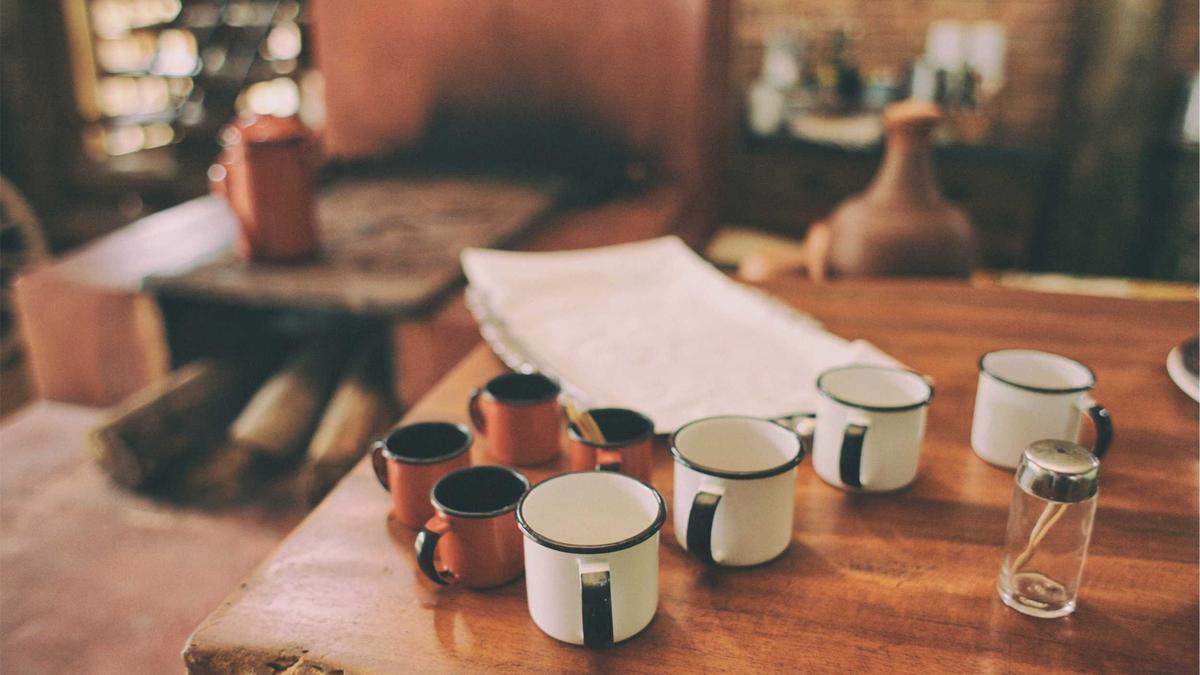
As the seasons shift and the garden eventually goes dormant under a blanket of mulch, these jars of tea become our lifeline to the warmer months. Sharing a pot of home-grown tea with a neighbor or sitting around the table with the kids as they blow on their mugs of “Sleepytime Mint” is where the labor bears its sweetest fruit. It’s a way of teaching my children that the best things in life aren’t found in a drive-thru or a plastic package; they are grown, harvested, and cured with one’s own hands.
In the end, making herbal tea at home isn’t just about the beverage in the cup. It’s about reclaiming a sense of time that isn’t measured in seconds or minutes, but in the slow unfurling of a leaf and the steady change of the seasons. It’s about finding the beauty in the waiting, and the deep, soulful nourishment that comes from a process that cannot be hurried.
The sun has finally cleared the treeline now, hitting my mug and casting a long, soft shadow across the wooden table. I take a sip of the summer’s Lemon Verbena, and for a moment, the house is perfectly, beautifully still.