Evening Tea by the Wood Stove Glow
The sun has dropped below the ridge of the North Field, leaving behind a sky the color of a bruised plum—that deep, fleeting indigo I...
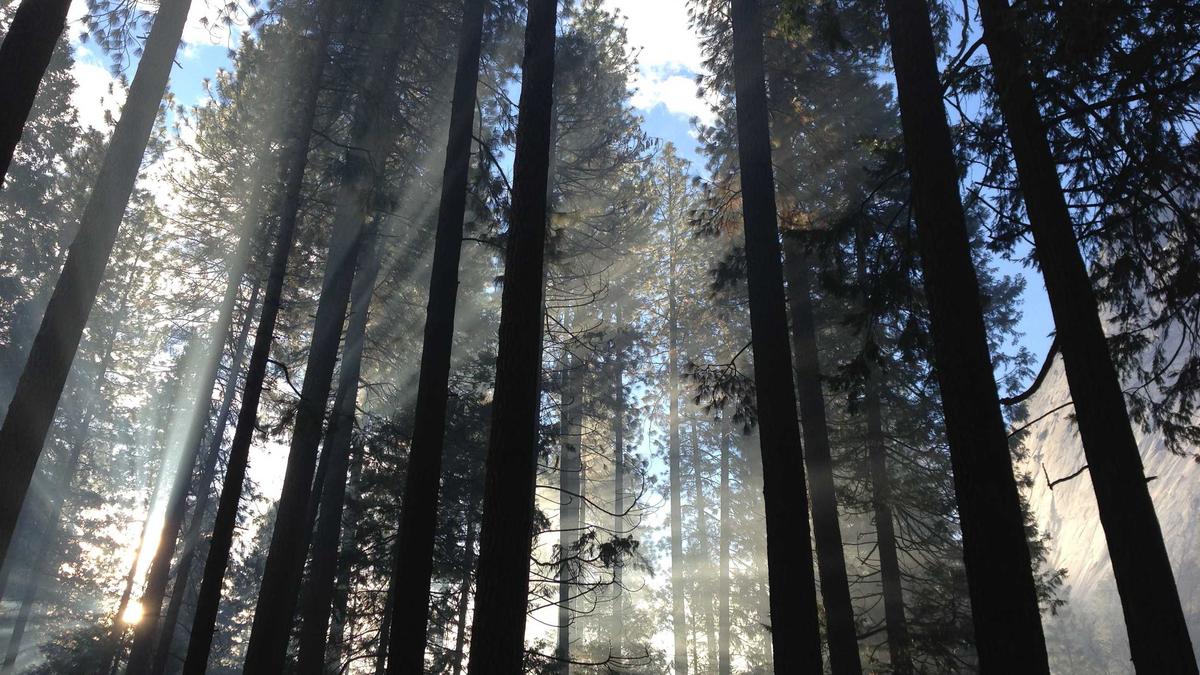
The sun has dropped below the ridge of the North Field, leaving behind a sky the color of a bruised plum—that deep, fleeting indigo I used to chase with a wide-angle lens during golden hour. Now, my “aperture” is much narrower, focused on the three-foot radius around our cast-iron wood stove. The house has settled into its evening sigh; the floorboards have stopped their daytime creaking, and the only sound is the rhythmic, low-frequency hum of the fire drawing air through the intake. I am sitting in the wingback chair that smells faintly of cedar and old wool, watching the orange light dance across the spines of books I’ve read a dozen times. It is the blue hour, the transition between the labor of the homestead and the restoration of the hearth, and there is no place on earth I would rather be than right here, waiting for the kettle to sing.
The Geometry of the Hearth
There is a specific art to building a fire that will sustain an evening of reflection. For years, I looked at light through a viewfinder, calculating how it would fall across a subject’s cheekbone. Now, I look at the architecture of the woodpile. For the evening “glow,” I prefer seasoned White Oak or Shagbark Hickory. These hardwoods are the heavy hitters of the forest; they don’t flash and disappear like the pine scrap we use for kindling. They hold the heat in their dense fibers, releasing it in a steady, radiant pulse that feels like a physical weight against your skin.
I’ve learned to appreciate the “draft”—that invisible straw of air that dictates the life of the flame. Tending a wood stove is a lesson in presence. You cannot rush a hearth. If you choke the air too soon, the glass soots over, obscuring the very view you worked to create. If you leave it too open, the wood vanishes in a roar of efficiency that leaves the room cold by midnight. It is a delicate calibration, much like focusing a manual lens: you move the lever just a fraction of an inch until the blur resolves into a sharp, amber clarity. When the secondary combustion kicks in—those little “ghost flames” that seem to hover at the top of the stove—I know the stove is at its peak.
Infusions of the Summer Past
On the corner of the stove sits the heavy copper kettle, its surface patinated by a decade of steam. Tonight’s tea isn’t from a store-bought box; it is a liquid map of our July garden. I pull a mason jar from the pantry labeled “Sarah’s Midnight Blend.” Inside are the dried, papery leaves of Melissa officinalis (lemon balm), the golden petals of Calendula, and a handful of dried rosehips gathered from the hedgerow after the first frost.
Steeping tea by the fire is a slow-motion alchemy. As the boiling water hits the dried herbs, the kitchen is suddenly filled with the scent of a sun-drenched afternoon in the dirt. It is a sensory bridge between the frozen ground outside and the vibrant life that waits beneath the snow. I add a teaspoon of raw honey from our neighbor’s hives—honey that tastes distinctly of the basswood trees down by the creek—and let it sit for exactly seven minutes. In the world of instant gratification, seven minutes of waiting for a tea to steep feels like a radical act of patience.
The Photographer’s Still
Even though my professional cameras are mostly tucked away in their padded bags, I still see the world in frames. In the evening, the wood stove becomes the primary light source, and the house transforms into a study of chiaroscuro. I watch my daughter’s hair catch the light as she leans over her sketchbook on the rug. The firelight turns the strands into spun copper, and the shadows behind her are deep, velvety, and mysterious.
There is a peculiar honesty in firelight that you don’t find under the sterile hum of an LED bulb. It softens the edges of the room and hides the dust on the baseboards, highlighting instead the texture of the hand-hewn beams and the grain of the floor. As a photographer, I spent years trying to eliminate “noise” from my images. Now, I realize that the “noise” of a lived-in home—the scuffs on the wood, the slightly tilted hearth tiles, the pile of mismatched mittens by the door—is exactly what makes the composition beautiful. It is the evidence of a life being fully utilized.
The Vocabulary of the Woodpile
A homestead runs on the currency of wood. To someone else, a woodpile might look like a chore, but to us, it is a savings account for comfort. We spend the humid days of August splitting and stacking, and the reward is this silent evening heat. I’ve come to know the different “voices” of the wood. Yellow Birch has a cheery, crackling spit to it because of the oils in its papery bark. Sugar Maple burns with a quiet, dignified heat that lasts through the night.
I often think about the lineage of these trees as I sit here. The Ash we are burning tonight likely stood in the back woodlot for eighty years, witness to generations of seasons before it came to warm our toes. There is a profound sense of stewardship in that. We are not just consuming fuel; we are participating in a cycle that started long before we arrived and will continue long after the stove cools. It grounds the family in a way that a thermostat never could. It teaches the children that warmth is something you earn, something you tend, and something you respect.
The Ritual of the Quiet Hour
The “Quiet Hour” isn’t a rule, but a natural gravity that pulls us all toward the center of the house once the sun is down. It is the time when the digital world loses its luster. The blue light of a screen feels jarring and artificial compared to the organic flicker of the hearth. We talk less, or perhaps we just talk differently—lower voices, longer pauses.
I hold my mug in both hands, feeling the heat seep into my palms. This is where the reflections happen. I think about the garden plans for the spring, the mending that needs to be done, and the way the wind is currently whistling through the eaves. This isn’t “doing” time; it is “being” time. In a society that measures worth by productivity, these hours spent staring into the embers might seem like a waste. But for the soul of a homestead, this is the most productive time of all. It is when the internal reserves are replenished, and the family bond is annealed in the heat of the shared experience.
The tea has cooled to the perfect temperature, tasting of lemon and sunshine. The fire has settled into a bed of glowing coals, a deep, pulsing crimson that will keep the chill at bay while we sleep.
I set my empty mug on the side table and bank the fire, closing the damper to a whisper. The house is warm, the family is safe, and the winter night is simply a backdrop for the peace we’ve cultivated within these walls.