A Beginner's Guide to Suburban Composting
The morning light in our kitchen has a way of finding the flaws and the beauty with equal curiosity. It spills across the butcher block...
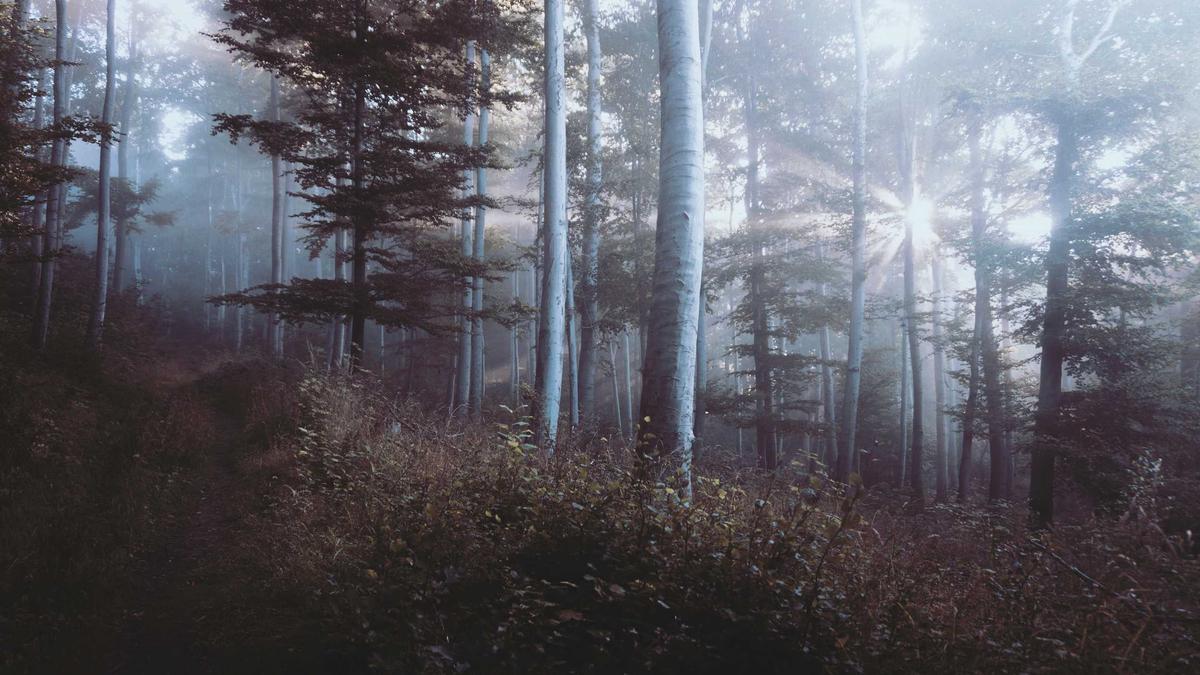
The morning light in our kitchen has a way of finding the flaws and the beauty with equal curiosity. It spills across the butcher block island, illuminating the stray flour from the sourdough I shaped an hour ago and catching the iridescent edges of a pile of onion skins. In my previous life, through the viewfinder of my Hasselblad, I was trained to look for the “decisive moment”—that singular second where light, composition, and emotion aligned perfectly before vanishing forever. But here, in this suburban patch of dirt we call a homestead, I am learning the value of the long game. I stand over a ceramic bowl filled with the morning’s offerings: eggshells from our neighbor’s chickens, the stems of a bunch of Anthriscus cerefolium (French parsley), and the sodden grounds of our Ethiopian Yirgacheffe. Ten years ago, I would have seen this as refuse, a chore to be hidden away. Now, I see it as the beginning of a transformation, a quiet alchemy that turns the discarded into the divine.
The Negative Space of the Garden
In photography, negative space is what gives the subject room to breathe; it is as vital as the focal point itself. In the domestic rhythm of a slow-living household, composting is our negative space. It is the pause between the harvest and the next planting. When we first moved into this house, with its neatly manicured lawn and the predictable line of boxwoods, I felt an urgent need to create something productive immediately. But a garden is not a studio; you cannot simply flip a switch and have perfect light. You have to build the foundation from the bottom up.
Composting in a suburban setting often feels like a secret act of rebellion. While our neighbors might spend their Saturdays applying synthetic “quick-fix” fertilizers in bright green bags, I am out back, tucked behind the lilac bushes, tending to a heap of rot. It is a slow, methodical process that asks us to value the “in-between” stages of life. We are so used to the finished product—the blooming peony, the ripe heirloom tomato—that we forget the messy, brown, and crumbling stage that makes such beauty possible. Composting is the practice of honoring the decay.
Choosing Your Frame: The Suburban Bin
One of the greatest hurdles for the suburban gardener is the fear of the “unsightly.” We want the benefits of a homestead without the perceived chaos of a farm. When I began, I worried that a compost pile would be an eyesore, a blot on the landscape that would draw the ire of the homeowners’ association or, worse, the local raccoons. I’ve found that the key is to choose a vessel that fits the “frame” of your yard.
For our space, we opted for a cedar-slatted bin that my husband, Oliver, built using reclaimed wood from an old fence. It has a rustic, lived-in feel that mirrors the weathered shingles of our potting shed. If you aren’t inclined toward carpentry, a simple black plastic tumbler works wonders for smaller spaces; it keeps the heat in and the critters out, and it sits discreetly behind a trellis of Clematis. The goal isn’t to hide the process, but to integrate it. Whether you choose a sophisticated three-bin system or a modest worm factory under the kitchen sink, the “where” is less important than the “why.” You are creating a sanctuary for the invisible workers of the earth—the microbes and fungi that do the heavy lifting while we sleep.
A Balanced Palette: Greens and Browns
In the darkroom, I learned that a perfect print required a balance of deep shadows and bright highlights. Composting follows a similar logic. We speak of “Greens” and “Browns,” but I prefer to think of them as the life-force and the structure.
The “Greens” are your nitrogen-rich materials: the vibrant scraps from the kitchen, the grass clippings from the first spring mow, and the spent blooms of your Alchemilla mollis (Lady’s Mantle). After making a summer galette with peaches and thyme, those fruit pits and herb stalks go straight into the bin. These are the “highlights”—the elements that provide the energy for the pile to heat up.
The “Browns” are the carbon-rich materials that provide the “shadows” and the structure: dried leaves, shredded cardboard, or the woody stems of lavender after the harvest. In the autumn, when the maples in the backyard drop their gold and crimson, I spend my afternoons raking them into piles. To a photographer, they are a study in texture; to a composter, they are “black gold” in waiting. A good rule of thumb for the beginner is to use twice as much brown as green. This prevents the pile from becoming a soggy, anaerobic mess and ensures it has the oxygen it needs to breathe.
The Meditation of the Turn
There is a physical intimacy to composting that I hadn’t expected. Every few weeks, I take my pitchfork—the one with the smooth ash handle that has worn to the shape of my palms—and I turn the pile. It is a workout, certainly, but it is also a meditation. In the middle of February, when the suburban air is crisp and the world feels dormant, I can dig into the center of the heap and see steam rising into the cold light.
That heat is a miracle. It is the soundless vibration of life breaking down matter. As I turn the outer, drier leaves into the damp, dark center, I am reminded that nothing is ever truly lost. The stalks of the Zinnias that the children picked for the dinner table in August are now becoming the soil that will feed the Dahlias next July. This rhythm keeps me grounded. It reminds me that in a world that often demands we move faster, the most meaningful work often happens at a glacial pace.
Listening to the Pile
Beginners often worry about the “rules” of composting, fearing they will attract pests or create a foul odor. But nature is a forgiving teacher. If your compost smells like anything other than a damp forest floor, it is simply telling you it’s out of balance. A sour smell usually means it’s too wet or has too many greens; the solution is as simple as tossing in a few handfuls of shredded newspaper or dry straw.
We don’t use the compost for “survival” or out of a sense of scarcity; we use it because it creates a closed loop of household wisdom. When I prune the Rosa ‘Constance Spry’ climbing over the porch, I don’t see waste to be hauled away by a city truck. I see the future health of my soil. We have learned to listen to the seasons. We don’t compost because we are afraid of the future; we compost because we are in love with the present and the cycle of renewal it promises.
The Harvest of Black Gold
There is a specific joy in the day you finally “harvest” your compost. I remember the first time I opened the bottom of our cedar bin and saw it: crumbly, dark, and smelling of deep earth and ancient things. It looked nothing like the kitchen scraps I had deposited months prior. All the sharp edges of the eggshells were gone; the tough stems of the Echinacea had vanished.
I took a handful and spread it around the base of my ‘San Marzano’ tomatoes, the ones I use for the slow-simmered Sunday sauce the kids love. Seeing that dark earth against the bright green of the new starts felt like finishing a series of photographs—the narrative was finally complete. The suburban garden, once a static piece of property, becomes a living, breathing ecosystem when you feed it from your own table. It is the ultimate act of stewardship, a way to leave the earth better than we found it, one coffee ground at a time.
I often stand by the bin in the evening, watching the fireflies dance over the lilacs and feeling the cooling earth beneath my boots. It is a quiet, beautiful thing to realize that our small daily choices are what truly knit a family and a home together.